Articles by Soumia. For questions about your own accounting or tax position, contact Pimaccounting.
- Choosing the Right Business Structure in Thailand
- How Bangkok's Accounting Firms Ensure You Stay Tax-Ready
- Partnering with Accounting Firms in Bangkok for Comprehensive Tax Solutions
- Pimaccounting's Strategies for Achieving Remarkable Financial Success
- Streamlined Solutions from Accounting Experts in Bangkok
- How Accounting Firms Safeguard Your Business with Expert Tax Services
- Gaining the Competitive Edge with Bangkok's Accounting Firms
- Pimaccounting's Tailored Services for Businesses
- Withholding Taxes: A Comprehensive Guide for Businesses in Thailand
- What You Need to Know About Withholding Tax in Thailand
- Thailand's Withholding Tax Rates Explained
- Withholding Taxes for Foreign Companies in Thailand
- Withholding Tax Compliance: A Comprehensive Guide
- Thailand's Withholding Tax Regulations
- The Role of Withholding Tax in Thailand's Double Taxation Agreements
- How to Optimize Your Tax Liability in Thailand
- Common Pitfalls in Withholding Tax Compliance
- Recent Changes in Thailand's Withholding Tax Laws
- Thailand Company Registration Essentials
- Visa Options for Thailand Business Owners
- Starting a Business in Thailand: Your Visa Guide
- Thailand Business Visas: What You Need to Know
- Streamlining Company Registration in Thailand
- Navigating Thai Visa Regulations
- Entrepreneur's Guide to Thai Company Setup
- Thailand Visa Types Demystified
- Efficient Company Registration in Thailand
- Securing Your Thai Business Visa
- Navigating Thai Business Permits
- Tax Strategies for Thai Startups
- Streamlining Thai Company Formation
- Insider's Guide to Thai BOI
- Crafting a Solid Partnership Agreement
- Thailand's Legal Structure Demystified
- Choosing the Right Business Entity
- SME Guide to Thai Compliance
- Trademark Protection in Thailand
- Thailand's Corporate Tax Breaks
- Efficient Thai Business Licensing
- How Accounting Services Benefit Small Businesses
- Leveraging Accounting Services for Maximum Benefits
- Choosing the Right Accounting Service: Factors to Consider for Your Business
- Why Every Business Needs Accounting Services: Simplifying Tax and Financial Management
- How Accounting Services Help Businesses Stay Organized and Profitable
- Enhancing Business Performance with Professional Accounting Services
- Expert Advice: Choosing the Best Accounting Services for Your Business
- Tax Management Solutions: The Crucial Role of Accounting Services
- How Professional Accounting Services Can Help
- Cash Flow Management: Expert Insights from Professionals Accounting Service.
- Analyzing Costs: Making Business with Accounting Services
- The Importance of Audits in Accounting Services
- Simplifying Cost Analysis with Accounting Services
- Insights into Financial Reports by Accounting Services
- Understanding Accounting Services for Your Business Needs
- How to Find the Best Accounting Service for Your Industry
- The Top 7 Accounting Services in Thailand
- How to Compare Different Accounting Services and Prices
- The Advantages of Using a Local Accounting Service
- How to Audit and Review Your Accounting Services
- The Future of Accounting Services: Trends and Opportunities
- How to Improve Your Business Performance with Accounting Services
- The Importance of Accurate Financial Statements for Your Business
- How to Effectively Manage Your Business Finances
- Tax Planning Strategies for High Net Worth Individuals
- How an Accountant Can Help with Crypto and Taxes
- The Ultimate Guide to a Successful Financial Audit
- What Compound Interest Is and How It Works
- How an Accountant Can Help with Economic Changes
- The Top 10 Mistakes Accountants Make (And How to Avoid Them)
- 7 Tips on How to Prepare for an Accounting Interview
- The Future of Accounting: How Technology is Changing the Profession
- How to Become a Certified Public Accountant (CPA) in 5 Steps
- The Difference Between Accounting and Finance: Which One is Right for You ?
- The 7 Habits of Highly Effective Accountants
- How to Use Accounting Ratios to Analyze Financial Performance
- How to Write a Killer Accounting Resume That Gets You Hired
- The Most Common Accounting Interview Questions and How to Answer Them
- The Top 10 Accounting Trends to Watch in 2024
- The Impact of Technology and Innovation on Accounting Practice
- The Skills and Qualifications Required for a Successful Career in Accounting
- Your Essential Guide to Understanding Accounting
- 7 Smart Accounting Tips to Save Money and Make Smarter Decisions
- How Accounting Can Empower Small Businesses to Thrive
- Why Hiring an Accountant Can Supercharge Your Business Success
- Expert Tips to Navigate the System and Maximize Your Refund
- The Importance of Accurate Accounting Practices for Your Business
- How Technology is Revolutionizing Accounting
- Exploring the Exciting World of Accounting and Its Diverse Opportunities
- The Challenges and Opportunities for Accounting in the Global Economy
- Simplifying Accounting for Small Businesses in Thailand
- Key Accounting Practices Every Entrepreneur Should Follow
- How to Ensure Compliance with Thai Tax Regulations
- The Importance of Accurate Bookkeeping for Business Growth
- Common Accounting Mistakes and How to Avoid Them
- Payroll Management Made Easy with PimAccounting
- Why Accurate Accounting is Critical for Long-Term Business Success
- Managing Cash Flow Effectively with Expert Accounting Tips in Bangkok
- How to Prepare for a Smooth Tax Filing Season in Thailand
- The Role of Technology in Modern Accounting Solutions
- Financial Reports 101: What Business Owners Need to Know
- Pimaccounting: Simplifying Bookkeeping for Businesses in Thailand
- The Importance of Accurate Bookkeeping with Pimaccounting’s Expertise
- Pimaccounting’s Streamlined Tax Filing Services for Hassle-Free Compliance
- Bookkeeping Essentials: Why Pimaccounting is the Ideal Partner for Your Business
- How Pimaccounting Ensures Timely and Accurate Tax Filings in Thailand
- Pimaccounting’s Role in Reducing Errors in Business Bookkeeping
- Tax Filing Made Easy: Pimaccounting’s Comprehensive Support for Businesses
- Why Outsourcing Bookkeeping to Pimaccounting Saves Time and Money
- Navigating Thai Tax Laws with Pimaccounting’s Expert Guidance
- Pimaccounting’s Customized Solutions for Small Business Bookkeeping
- Staying Compliant: How Pimaccounting Manages Your Tax Deadlines
- The Benefits of Pimaccounting’s Digital Solutions for Bookkeeping and Tax Filing
- Personal Income Tax in Thailand 2025: What You Need to Know
- How to Maximize Your Tax Deductions and Save More in 2025
- The Impact of Thailand's 2025 Tax Reforms on Your Personal Income
- How to Leverage Tax Incentives for Retirement Savings in Thailand
- What You Need to Know About Withholding Tax on Your Salary in Thailand
- Understanding Tax Exemptions for Families and Dependents in 2025
- Thailand Business Registration Made Easy: Pimaccounting’s Expert Insights
- How Expats Can Legally Start a Business in Thailand
- Foreigners & Business in Thailand: Your Complete Registration Guide
- The Legal Path to Owning a Business in Thailand as an Expat
- Company Structures for Expats in Thailand: Which One is Right for You?
- Common Pitfalls in Thai Business Registration (And How to Avoid Them!)
- Avoiding Tax Penalties in Thailand: Best Practices for Business Owners
- BOI vs. Non-BOI Company Registration: Which One Is Right for You?
- Why Every Business in Thailand Needs a Professional Bookkeeping Service
- Corporate Tax in Thailand: Key Deadlines and Compliance Requirements
- Common Mistakes to Avoid When Registering a Business in Thailand
- Understanding Thai Accounting Standards: A Guide for Foreign Business Owners
- Monthly vs. Annual Accounting: What Works Best for Your Business?
- VAT Registration in Thailand: Do You Need It and How to Apply?
- Setting Up a Limited Company in Thailand: Costs, Process, and Requirements
- How Outsourced Accounting Can Save Your Business Time and Money
- How to Register a Company in Thailand: A Step-by-Step Guide
- Foreign Business Ownership in Thailand: What You Need to Know Before Registering
- Step-by-Step Guide to Registering a Company in Thailand
- Top Mistakes to Avoid When Setting Up a Thai Company
- Limited Company vs. Sole Proprietorship in Thailand
- How Much Does It Cost to Register a Company in Thailand
- Registering a Foreign-Owned Company in Bangkok
- Why You Need an Accountant for Your Company Setup
- The Importance of BOI Promotion for Foreign Investors
- Legal Requirements for Thai Company Formation
- How to Open a Corporate Bank Account After Registration
- The Role of a Company Secretary in Thailand
- Common Tax Issues for New Thai Companies
- What Documents Are Needed for Company Registration
- Understanding the Thai Tax System for New Businesses
- How Pimaccounting Helps Foreigners Register Companies in Thailand
- Bookkeeping in Bangkok: Why Outsourcing to Pimaccounting Saves You More
- Pimaccounting’s Guide to VAT Registration for New Thai Businesses
- What Every Startup in Thailand Should Know About Tax Compliance
- From Setup to Scaling: How Pimaccounting Supports Long-Term Growth
- Accounting Pitfalls to Avoid When Opening a Business in Thailand
- Payroll Made Easy: How Pimaccounting Simplifies HR for SMEs
- Monthly vs. Annual Reporting: Which One Does Your Business Need?
- Pimaccounting’s Approach to Stress-Free Financial Audits
- Understanding Thai Corporate Taxes: A Simple Guide for Entrepreneurs
- Why Accurate Accounting Is Key to Getting BOI or Foreign Business Licenses
- Top 5 Reasons Thai Businesses Choose Pimaccounting for Compliance
- Cloud Accounting in Thailand: What Pimaccounting Recommends in 2025
- How to Register a Foreign-Owned Company in Thailand
- Tax Planning Tips for Thai SMEs
- Understanding VAT in Thailand
- Common Accounting Mistakes to Avoid
- The Importance of Monthly Financial Reports
- When Should You Outsource Accounting Services?
- How Foreigners Can Legally Open a Cannabis Shop in Bangkok (Updated for 2025)
- Why Outsourcing Your Accounting in Thailand Can Save Time and Money
- Navigating Accounting Standards & Financial Reporting Changes in Thailand for 2026‑27
- Why Professional Accounting and Tax Advisory Services Are Essential in Thailand
- How Accounting and Legal Services Work Together to Protect Your Business in Thailand
- Why Every Business in Thailand Needs Both Accounting and Legal Experts
- Who Should Consider Outsourcing Accounting in Thailand?
- How to Register a Company in Thailand: A Complete Guide for Entrepreneurs and Investors
- Corporate Income Tax on Profits Earned Abroad: What Businesses Should Know
- Why a Good Legal Firm Matters in Thailand
- How to Set Up Accounting Systems for SMEs in Thailand
- Navigating Thai Immigration: A Must-Know for Legal Firms Hiring Foreign Talent
- Mastering 2025: Your Guide to De-Risking Cross-Border Transactions
- Thailand Business Setup 2025: Choose the Right Structure to Unlock Sustainable Growth
- Top BOI Incentives Foreign Companies Are Using in 2025
- The Secret to Happiness in Retirement: Discover the Holistic Activity Programs Transforming Elderly Care in Thailand
- Setting Up a Business in Thailand in 2025 — How to Pick the Right Structure
- Navigating Thailand’s Evolving Business Landscape: Why Integrated Accounting & Legal Support Matters More Than Ever
- Thinking About Investing in Thailand? Key Legal Considerations Every Foreign Investor Should Understand
- Smart Ledger AI: Redefining the Future of Accounting in Thailand
- Preparing for 2026: What Businesses in Thailand Need to Know About Accounting and Legal Compliance
- Why Thailand Is Becoming a Hot M&A Market: Key Trends for 2025
- Thailand’s 2026 FBA Modernization: Unlocking The Future of Tech Investment
- Social Security Update for 2026 – Important Notice for Employers and Employees in Thailand
- Thailand’s PDPA 2026: What You Need to Know About Personal Data Protection Updates
- The AI & Cloud Era: Unlocking New Opportunities for Thai Companies in 2026
- Import Tax and E-Commerce in Thailand: What Changed in 2026 and Why It Matters
- Filing a Tax Return with Zero Income in Thailand: A Guide for Expats (Foreigners)
- Do Expats in Thailand Need a Tax Identification Number (TIN)?
- Understanding 0% VAT (Zero-Rated VAT) in Thailand
- How to Offset Overseas Taxes When Filing Your Personal Income Tax Return in Thailand
- Thailand to Impose VAT and Customs Duties on All Foreign Online Purchases from 2026
- Tax Filing for Freelancers in Thailand: A Practical Guide
- Import & Export Business in Thailand: A Practical Guide for Entrepreneurs and Investors
- What You Should Know Before Choosing a Tax Allowance in Thailand
- SME Business in Thailand — Latest News & Trends in 2026
- Thailand Elite Visa (Now Thailand Privilege Visa) — Updated Rules & Regulations (2026)
- Why Thailand Is the Smartest Investment Destination in ASEAN 2026
- SME Business Trends & Strategic Priorities for 2026
- Corporate Governance & Regulatory Compliance: A Key Focus for Sustainable Business Growth
- Thailand 2026: The Investment Hub of Southeast Asia
- Tax Law & Incentive Reform Proposals (Tax Year 2569)
- Regulatory & Compliance Updates Critical for Thai Businesses
- Thailand SMART Visa 2026 Update: What Businesses and Founders Need to Know
- Thailand Tax Update 2026: VAT on E-Commerce Imports & Foreign Income Remittance Rules
- Do Online Shops Need Income and Expense Records to File Taxes in Thailand in 2026?
- Thailand’s 200% Digital Tax Deduction: A Game Changer for SMEs in 2026
- Understanding PND.93 in Thailand: What Foreign Employees Must Know Before Leaving the Country
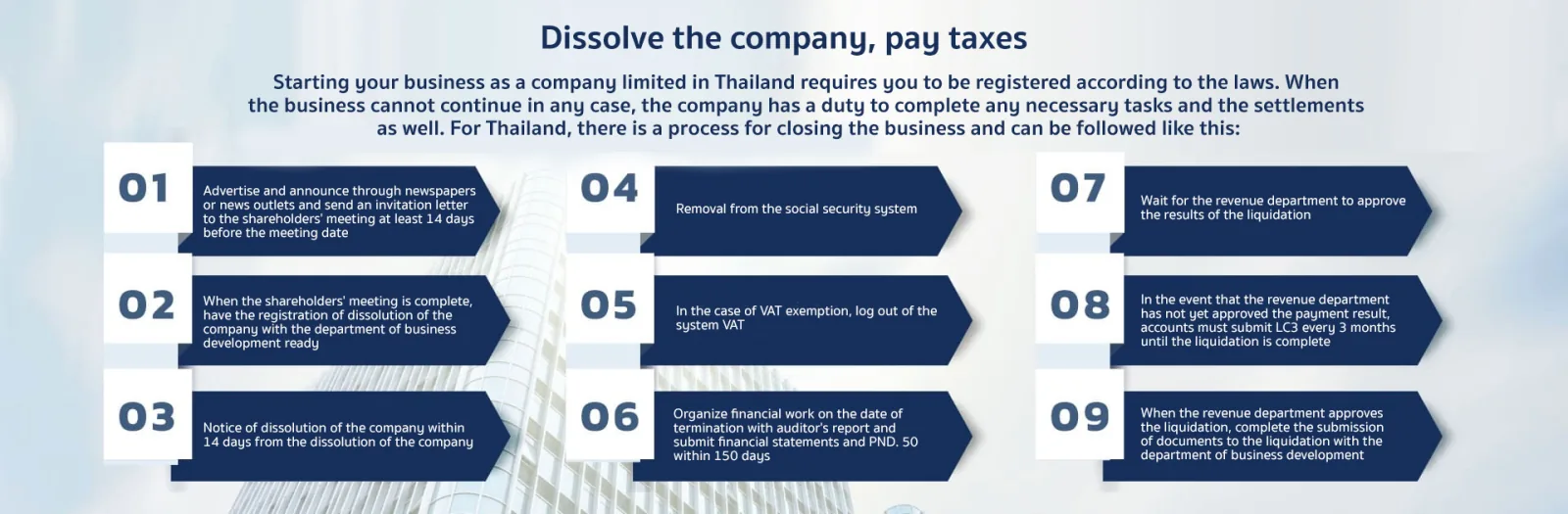
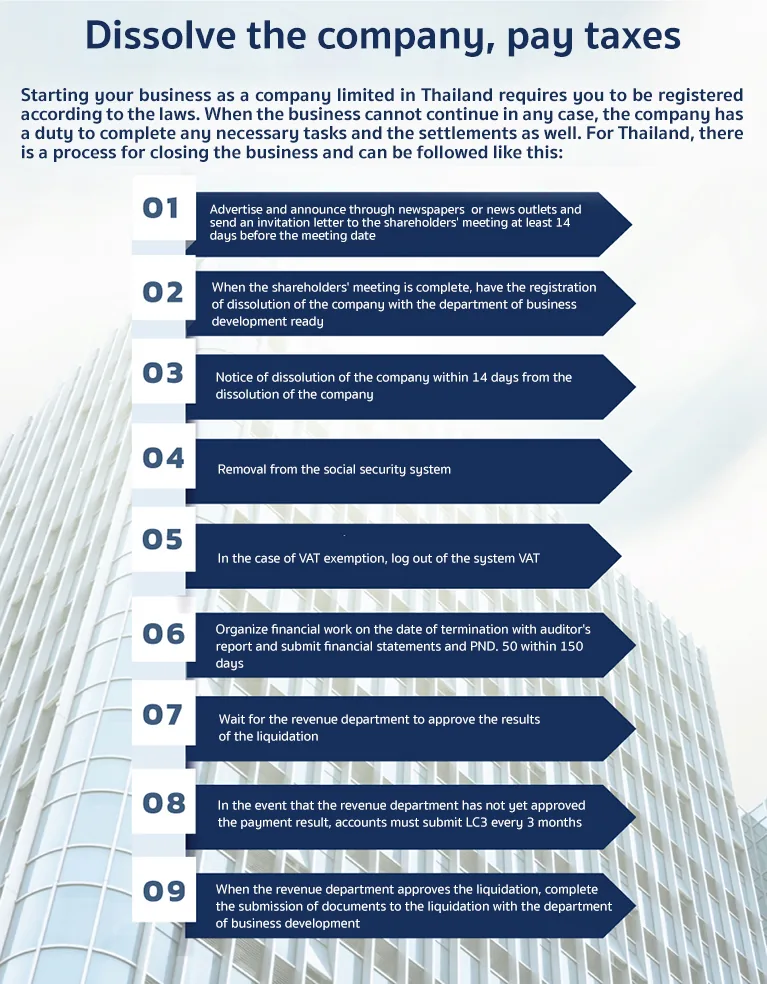
- Company Dissolution in Thailand: A Practical Guide for Business Owners
- Permanent Residence in Thailand: Elevating Your Lifestyle and Business Potential in 2026
- Navigating Registering an Export Company in Thailand as a Foreigner in 2026
- Navigating Thailand’s Latest Tax and Legal Changes: A Practical Guide for SMEs in 2026
- Navigating Thailand’s E-Commerce Business Landscape in 2026
- Thai Company Earning Overseas Income from Services Performed Outside Thailand 2026
- Mastering Thailand BOI Promotion in 2026: Compliance, Tax, and Investment Strategy
- Navigating Thailand’s Fully Mandatory e-Work Permit System in 2026
- Thailand’s 2026 “Actual Control” Crackdown: Why BOI Promotion Has Become More Important Than Ever
- Thailand’s BOI “Two-Strike” Rule: The Rising Compliance Risks of Quarterly E-Monitoring
- Thailand’s 2026–2027 BOI Relocation Mandate: Why Foreign Investors Must Move More Than Just Factories
- Thailand’s THB 5 Billion Competitiveness Fund: A Strategic Shift from Tax Incentives to Direct Industrial Transformation
- Thailand’s EV Industry Enters a New Era: The Race Toward Upstream Localization
- Thailand’s Semiconductor Ambition: The BOI’s Strategic Push Toward Front-End Manufacturing and Supply Chain Transformation
- Thailand’s 70% Local Workforce Mandate: A Structural Shift in Industrial Policy, Not Just a Labor Rule
- Thailand’s New BOI AI Strategy: Why “Applied AI” and Technology Transfer Have Become the Real Gatekeepers of A1 Incentives
- Thailand’s D-WP Single Window Integration: Reshaping Workforce Mobility for BOI-Promoted Businesses
- Thailand BOI Incentives in the Era of Global Minimum Tax: A Strategic Shift Beyond Traditional Tax Holidays
- Thailand’s New “Actual Control” Test: Why Foreign Investors Must Rethink Ownership Structures in 2026
- Thailand BOI’s New Quarterly E-Monitoring Regime: The Strategic Impact of the “Two-Strike” Compliance Rule
- Thailand’s 2026–2027 “Comprehensive Relocation” Strategy: Why the BOI Now Demands More Than Manufacturing Investment
- Thailand’s THB 5 Billion Strategic Fund: A New Era of Direct Industrial Incentives
- Thailand’s EV Strategy Enters Phase Two: The Race to Localize the Upstream Powertrain Ecosystem
- Thailand’s Semiconductor Reset: Why the BOI Is Prioritizing Front-End Chip Manufacturing Over Traditional Electronics Assembly
- Thailand’s 70% Thai Workforce Rule: A Fundamental Shift in Industrial Investment Policy
- Thailand’s 2026 BOI Strategy: Applied AI, Technical Scrutiny, and the Push for Genuine Innovation
- Thailand BOI 2026: The New Investment Reality Foreign Investors Can No Longer Ignore
- Thailand’s AI-Powered Immigration Screening: Why Poor Document Scans Are Becoming a Serious Compliance Risk in 2026
- Thailand’s 2026 Digital Work Permit Revolution: Biometrics, ThaID Verification, and the New Era of Employer Compliance
- Thailand's Reimagined LTR Visa: Opening the Door to the Global Remote Workforce
- Thailand's Recognition of Same-Sex Spouses Under the LTR Visa: A New Chapter in Global Talent Mobility
- Thailand’s Destination Thailand Visa (DTV) Enters a New Era in 2026: Greater Opportunity, Greater Scrutiny
- Beyond the 4:1 Rule: How Thailand's BOI and LTR Frameworks Are Reshaping Foreign Talent Strategy in 2026
- Thailand's Visa Run Crackdown: How Immigration Intelligence Is Reshaping Long-Term Residency Strategy in 2026
- Thailand’s Tax Harmonization Era: The 17% LTR Advantage vs. The DTV Remittance Exposure
- Thailand's Premium Immigration Framework in 2026: Moving Beyond Traditional Work Permits and 90-Day Reporting
- Thailand’s 2026 “Substance-Over-Form” Revolution: The End of Nominee Property Companies and the Rise of Corporate Transparency
- Thailand’s New Era of Escrow Governance: How Ring-Fenced Accounts Are Reshaping Off-Plan Condominium Development
- Crypto-Asset Settlement in Bangkok Real Estate: The New Frontier of Timestamp Valuation, Tax Recognition, and Audit Risk
- Capitalizing Bangkok’s 30+30 Leasehold Structures under TFRS 16: The Hidden Balance Sheet Impact on Corporate Real Estate Investors
- Foreign Remittance and TT3 (FET) Reconciliation: The Hidden Compliance Challenge in Thailand Property Exits
- AI-Assessed Land and Building Tax Discrepancies: The New Property Tax Battlefield in Thailand
- Thailand's LTR 1-Rai Land Ownership Privilege: Source of Funds Certification and Ongoing Compliance Obligations
- Closing the Specific Business Tax Loophole: Thailand's Increasing Scrutiny of Indirect Property Transfers
- Tokenized Real Estate Investment Trusts (REITs): Reshaping Thailand's Property Investment and Accounting Landscape
- Thailand's New Real Estate Tax Landscape in 2026: ESG Incentives, Enhanced Transparency, and the End of Traditional Tax Structures
- Beyond Share Certificates: Why Forensic Source-of-Funds Verification Has Become a Critical M&A Due Diligence Requirement in Thailand
- AI-Assisted Virtual Data Rooms and Code Audits: The New Frontier of Due Diligence in Thailand’s 2026 M&A Landscape
- Beyond Financial Statements: TFRS 15, TFRS 16, and Escrow Verification as Critical Due Diligence Priorities in Thailand's 2026 M&A Environment
- CRS, Foreign Income Taxation, and the Rise of Constructive Remittance: A New Compliance Landscape for Thailand Tax Residents in 2026
- Thailand's Pillar Two Era: Why QDMTT Has Transformed the Future of Tax Incentives and Investment Strategy
- Thailand's Digital Tax Transformation: How e-Tax Invoicing Is Reshaping VAT Compliance and Corporate Governance
- Transfer Pricing Benchmarking and Intercompany Debt in Thailand: The New Era of Revenue Department Data-Driven Audits
- Carbon Accounting and the EU CBAM Ripple Effect: The New Frontier of Tax Advisory for Thai Businesses
- Crypto Asset Taxation in Thailand: Why Blockchain Traceability Has Become the New Standard for Tax Compliance
- The Gift Tax vs. Income Reclassification: Why Documentation Matters More Than Ever in Thailand
- Beyond Legal Ownership: Navigating Thailand’s DTA Beneficial Ownership Challenge in 2026
- Land and Building Tax in Thailand: Challenging AI-Based Assessments and Strategic Land Use Planning in the Era of Digital Tax Enforcement
- Tax Optimization Through Thailand's Long-Term Resident (LTR) Visa: A Strategic Framework for High-Net-Worth Individuals and Global Executives
- Thailand’s Employee Welfare Fund (EWF) 2026: A New Era of Employer Compliance and Workforce Risk Management
- Thailand’s Family Leave Reform under Labour Protection Act (No. 9): A Strategic Imperative for Employers in 2026
- The “Unfair vs. Unlawful” Termination Trap: Why Paying Statutory Severance May Not End the Dispute in Thailand
- The Anatomy of a Legally Defensible Warning Letter in Thailand: Avoiding Costly Termination Mistakes
- Beyond Blanket Consent: How Thailand’s PDPA Is Redefining Employment Contracts and HR Compliance
- When a Consultant Becomes an Employee: Understanding Thailand’s Hidden Risk of Worker Misclassification
- Enforceability of Restrictive Covenants in Thailand: Drafting Non-Compete Clauses That Can Survive Judicial Scrutiny
- Expat Employment Contracts in Thailand: Aligning Employment Agreements with the Digital Work Permit (D-WP) and LTR Visa Framework
- Digital Work Rules in Thailand: Why Electronic Distribution Alone Is No Longer Enough
- Labour Court Mediation and the Reinstatement Risk: Strategic Employer Considerations in Thailand in 2026
- TCCT’s 2026 E-Commerce Guidelines: A New Era of Competition Compliance for Digital Platforms in Thailand
- Supply Chain Tax Re-Allocation: The Contractual Consequences of Thailand's 2026 Import Tax Reform
- Thailand's 2026 Sovereign Cloud Requirements: Why Traditional SaaS SLAs May No Longer Be Sufficient
- Piercing the Corporate Veil in Thai Real Estate Acquisitions: The Hidden Specific Business Tax Risk in Share Transactions
- Data Processing Agreements Under Thailand's PDPA: From Contractual Formality to Strategic Risk Governance
- Pre-Clearing Competition Risk: How Thailand's New Section 59 Advance Decision Framework Is Reshaping Exclusive Supply Agreements
- Beyond Boilerplate: Why Proportionality Has Become the New Standard for Liability Clauses in Thailand
- Cryptographic Digital Signatures vs. Basic E-Signatures: Building Enforceable Commercial Contracts in Thailand's Digital Economy
- Thailand's New Residential Leasing Rules 2026: Why Property Operators Must Rethink Their Business Model Under Contract Committee Notification No. 3 B.E. 2568
- Beyond Litigation: Why Institutional Arbitration Has Become an Essential Risk Management Tool in Thailand's Cross-Border Commercial Contracts
- Foreign Business Act “Change of Control” Risks: The Regulatory Consequences of Foreign Acquisitions in Thailand
- Purchase Price Allocation (PPA) under TFRS 3: The Critical Post-Acquisition Exercise that Determines Long-Term Deal Value
- The Hidden Employment Debt in Thai M&A: Section 118 Severance Exposure, TFRS Provisions, and Purchase Price Adjustments
- PDPA Warranties and “Toxic Data” Assets: The Hidden M&A Risk That Can Destroy Deal Value
- The 15% Top-up Tax Is Here: Are BOI Incentives Still Worth It for Multinational Groups?
- How to Account for Retention Money in Thailand: Revenue Recognition, VAT and Corporate Tax
- Earn-Out Clauses in Thai M&A Transactions: How TFRS 3 and TFRS 9 Turn a Pricing Mechanism into a Strategic Transaction Risk
- Closing Account True-Ups in Thai M&A Transactions: Why the Definition of Working Capital Can Change the Purchase Price by Millions
- Tax Loss Carry-Forwards, Corporate Identity, and the Hidden M&A Risk of Losing Deferred Tax Assets
- Pre-Merger Antitrust Clearance and TCCT Approval: When Competition Law Becomes the Biggest Deal Risk
- Nominee Shareholder Risk, FBA Compliance, and Escrow Holdbacks: The Hidden Legacy Liability in Thai M&A Transactions
- ทำไมการเลือกสำนักงานกฎหมายที่ดีจึงมีความสำคัญในประเทศไทย
- วิธีตั้งระบบบัญชีสำหรับธุรกิจเอสเอ็มอีในประเทศไทย
- การดำเนินการด้านตรวจคนเข้าเมืองของไทย: สิ่งที่สำนักงานกฎหมายต้องรู้เมื่อจ้างบุคลากรต่างชาติ
- AI เปลี่ยนบัญชีไทย: เมื่อ Smart Ledger AI ช่วยธุรกิจประหยัดเวลา ลดต้นทุน และโตอย่างยั่งยืน
- ก้าวสู่ปี 2025 อย่างมั่นใจ: คู่มือการลดความเสี่ยงในการทำธุรกรรมข้ามพรมแดน
- การจัดตั้งธุรกิจในประเทศไทย ปี 2025: เลือกโครงสร้างที่เหมาะสมเพื่อปลดล็อกการเติบโตอย่างยั่งยืน
- แรงจูงใจ BOI อันดับต้นที่บริษัทต่างชาติใช้มากที่สุดในปี 2025
- เคล็ดลับความสุขในวัยเกษียณ: เปิดประสบการณ์โปรแกรมกิจกรรมแบบองค์รวมที่กำลังเปลี่ยนโฉมการดูแลผู้สูงอายุในประเทศไทย
- การตั้งธุรกิจในประเทศไทยปี 2025 — วิธีเลือกโครงสร้างธุรกิจที่เหมาะสม
- การนำทางในภูมิทัศน์ธุรกิจที่เปลี่ยนแปลงของไทย: เหตุใดการสนับสนุนด้านบัญชีและกฎหมายแบบบูรณาการจึงสำคัญยิ่งกว่าที่เคย
- กำลังคิดจะลงทุนในประเทศไทย? ข้อควรพิจารณาทางกฎหมายสำคัญที่นักลงทุนต่างชาติต้องเข้าใจ
- บัญชีอัจฉริยะด้วย AI: นิยามใหม่ของอนาคตการบัญชีในประเทศไทย
- การเตรียมความพร้อมสำหรับปี 2026: สิ่งที่ธุรกิจในประเทศไทยจำเป็นต้องรู้เกี่ยวกับการบัญชีและการปฏิบัติตามกฎหมาย
- ทำไมประเทศไทยกำลังกลายเป็นตลาดการควบรวมและซื้อกิจการ (M&A) ที่ร้อนแรง: แนวโน้มสำคัญสำหรับปี 2025
- การปรับปรุงกฎหมาย FBA ของประเทศไทยปี 2026: ปลดล็อกอนาคตของการลงทุนด้านเทคโนโลยี
- อัปเดตประกันสังคมปี 2026 – ประกาศสำคัญสำหรับนายจ้างและลูกจ้างในประเทศไทย
- พระราชบัญญัติคุ้มครองข้อมูลส่วนบุคคลของประเทศไทย ปี 2026: สิ่งที่คุณจำเป็นต้องรู้เกี่ยวกับการปรับปรุงการคุ้มครองข้อมูลส่วนบุคคล
- ยุค AI และคลาวด์: เปิดโอกาสใหม่ให้กับธุรกิจไทยในปี 2026
- ภาษีนำเข้าและอีคอมเมิร์ซในประเทศไทย: อะไรเปลี่ยนไปในปี 2026 และเหตุใดจึงมีความสำคัญ
- การยื่นแบบแสดงรายการภาษีเงินได้ที่ไม่มีรายได้ในประเทศไทย: คู่มือสำหรับชาวต่างชาติ (ชาวต่างประเทศ)
- ชาวต่างชาติในประเทศไทยจำเป็นต้องมีหมายเลขประจำตัวผู้เสียภาษี (TIN) หรือไม่?
- ความเข้าใจเกี่ยวกับภาษีมูลค่าเพิ่ม 0% (ภาษีอัตราศูนย์) ในประเทศไทย
- วิธีหักกลบภาษีที่ชำระในต่างประเทศเมื่อยื่นแบบภาษีเงินได้บุคคลธรรมดาในประเทศไทย
- Thailand เตรียมบังคับใช้ภาษีมูลค่าเพิ่ม (VAT) และอากรศุลกากรกับการสั่งซื้อสินค้าออนไลน์จากต่างประเทศทั้งหมด ตั้งแต่ปี 2026
- การยื่นภาษีสำหรับฟรีแลนซ์ในประเทศไทย: คู่มือภาคปฏิบัติ
- ธุรกิจนำเข้าและส่งออกในประเทศไทย: คู่มือปฏิบัติสำหรับผู้ประกอบการและนักลงทุน
- สิ่งที่คุณควรรู้ก่อนเลือกใช้สิทธิ์ลดหย่อนภาษีในประเทศไทย
- ธุรกิจ SME ในประเทศไทย — ข่าวสารและแนวโน้มล่าสุดปี 2026
- วีซ่าไทยแลนด์อีลิท (ปัจจุบันเรียกว่า วีซ่าไทยแลนด์พริวิเลจ) — กฎและระเบียบที่อัปเดตล่าสุด (ปี 2026)
- ทำไมประเทศไทยจึงเป็นจุดหมายปลายทางการลงทุนที่ชาญฉลาดที่สุดในอาเซียน ปี 2026
- แนวโน้มธุรกิจ SMEs และลำดับความสำคัญทางยุทธศาสตร์สำหรับปี 2026
- การกำกับดูแลกิจการและการปฏิบัติตามกฎระเบียบ: ปัจจัยสำคัญเพื่อการเติบโตทางธุรกิจอย่างยั่งยืน
- ประเทศไทย ปี 2026: ศูนย์กลางการลงทุนแห่งเอเชียตะวันออกเฉียงใต้
- ข้อเสนอการปฏิรูปกฎหมายภาษีและสิทธิประโยชน์ทางภาษี (ปีภาษี 2569)
- อัปเดตข้อกำกับดูแลและการปฏิบัติตามกฎหมายที่สำคัญสำหรับธุรกิจไทย
- อัปเดตวีซ่า SMART ประเทศไทย ปี 2026: สิ่งที่ธุรกิจและผู้ก่อตั้งสตาร์ทอัพต้องรู้
- อัปเดตภาษีประเทศไทย ปี 2026: ภาษีมูลค่าเพิ่ม (VAT) สำหรับการนำเข้าสินค้าอีคอมเมิร์ซและกฎการโอนเงินรายได้จากต่างประเทศ
- ร้านค้าออนไลน์จำเป็นต้องมีบันทึกรายรับและรายจ่ายเพื่อยื่นภาษีในประเทศไทยปี 2569 หรือไม่?
- มาตรการหักภาษีดิจิทัล 200% ของประเทศไทย: ตัวเปลี่ยนเกมสำหรับ SME ในปี 2026
- เข้าใจ PND.93 ในประเทศไทย: สิ่งที่พนักงานต่างชาติควรรู้ก่อนออกจากประเทศ
- การยุบเลิกบริษัทในประเทศไทย: คู่มือเชิงปฏิบัติสำหรับเจ้าของธุรกิจ
- ถิ่นที่อยู่ถาวรในประเทศไทย: ยกระดับไลฟ์สไตล์และศักยภาพทางธุรกิจของคุณในปี 2026
- การจดทะเบียนบริษัทส่งออกในประเทศไทยในฐานะชาวต่างชาติ ปี 2026
- การรับมือกับการเปลี่ยนแปลงด้านภาษีและกฎหมายล่าสุดของประเทศไทย: คู่มือเชิงปฏิบัติสำหรับ SMEs ปี 2026
- การนำทางภูมิทัศน์ธุรกิจอีคอมเมิร์ซของประเทศไทยในปี 2026
- รายได้จากต่างประเทศของบริษัทไทยจากการให้บริการที่ดำเนินงานนอกประเทศไทย ปี 2026
- การเชี่ยวชาญการส่งเสริมการลงทุน BOI ของประเทศไทยในปี 2026: การปฏิบัติตามกฎระเบียบ ภาษี และกลยุทธ์การลงทุน
- การทำความเข้าใจระบบใบอนุญาตทำงานอิเล็กทรอนิกส์ (e-Work Permit) ที่บังคับใช้อย่างเต็มรูปแบบในประเทศไทย ปี 2026
- การปราบปราม “การควบคุมที่แท้จริง” ของประเทศไทยในปี 2026: ทำไมการส่งเสริมจาก BOI จึงสำคัญมากกว่าที่เคย
- กฎ “Two-Strike” ของ BOI ประเทศไทย: ความเสี่ยงด้านการปฏิบัติตามข้อกำหนดที่เพิ่มขึ้นจากการติดตามผ่านระบบอิเล็กทรอนิกส์รายไตรมาส
- นโยบายการย้ายฐานการผลิตของ BOI ประเทศไทย ปี 2026–2027: ทำไมนักลงทุนต่างชาติต้องย้ายมากกว่าแค่โรงงาน
- กองทุนเสริมขีดความสามารถการแข่งขันของประเทศไทยมูลค่า 5 พันล้านบาท: การปรับยุทธศาสตร์เชิงกลยุทธ์จากสิทธิประโยชน์ทางภาษีไปสู่การยกระดับอุตสาหกรรมโดยตรง
- อุตสาหกรรม EV ของไทยก้าวสู่ยุคใหม่: การแข่งขันสู่การสร้างฐานการผลิตต้นน้ำในประเทศ
- ความทะเยอทะยานด้านเซมิคอนดักเตอร์ของประเทศไทย: การผลักดันเชิงกลยุทธ์ของ BOI สู่การผลิตต้นน้ำ (Front-End Manufacturing) และการเปลี่ยนแปลงห่วงโซ่อุปทาน
- นโยบายกำหนดสัดส่วนแรงงานท้องถิ่น 70% ของประเทศไทย: การเปลี่ยนแปลงเชิงโครงสร้างของนโยบายอุตสาหกรรม ไม่ใช่แค่กฎด้านแรงงาน
- ยุทธศาสตร์ AI ใหม่ของ BOI ไทย: เหตุใด “การประยุกต์ใช้ AI” และการถ่ายทอดเทคโนโลยี จึงกลายเป็นปัจจัยสำคัญในการได้รับสิทธิประโยชน์ระดับ A1 ของ BOI
- การบูรณาการระบบ D-WP Single Window ของประเทศไทย: การปรับโฉมการเคลื่อนย้ายแรงงานสำหรับธุรกิจที่ได้รับการส่งเสริมจาก BOI
- สิทธิประโยชน์ BOI ของประเทศไทยในยุคภาษีขั้นต่ำโลก: การเปลี่ยนผ่านเชิงกลยุทธ์ที่ก้าวไปไกลกว่ายกเว้นภาษีแบบดั้งเดิม
- การทดสอบ “การควบคุมที่แท้จริง (Actual Control)” ใหม่ของประเทศไทย: เหตุใดนักลงทุนต่างชาติจึงต้องทบทวนโครงสร้างการถือหุ้นใหม่ในปี 2026
- ระบบติดตามอิเล็กทรอนิกส์ (E-Monitoring) รายไตรมาสรูปแบบใหม่ของ Board of Investment of Thailand: ผลกระทบเชิงกลยุทธ์ของกฎการปฏิบัติตาม “Two-Strike”
- ยุทธศาสตร์ “การย้ายฐานแบบครบวงจร” ของประเทศไทยในปี 2026–2027: เหตุใด BOI จึงให้ความสำคัญมากกว่าการลงทุนด้านการผลิตเพียงอย่างเดียว
- กองทุนยุทธศาสตร์มูลค่า 5 พันล้านบาทของประเทศไทย: ยุคใหม่ของมาตรการส่งเสริมอุตสาหกรรมแบบสนับสนุนโดยตรง
- ยุทธศาสตร์ยานยนต์ไฟฟ้าของไทยก้าวสู่ระยะที่สอง: การเร่งพัฒนาระบบนิเวศต้นน้ำของระบบขับเคลื่อน EV ภายในประเทศ
- การปรับโครงสร้างอุตสาหกรรมเซมิคอนดักเตอร์ของประเทศไทย: เหตุใด BOI จึงให้ความสำคัญกับการผลิตชิปขั้นต้น (Front-End) มากกว่าการประกอบอิเล็กทรอนิกส์แบบดั้งเดิม
- กฎแรงงานไทย 70% ของประเทศไทย: การเปลี่ยนแปลงครั้งสำคัญของนโยบายการลงทุนภาคอุตสาหกรรม
- กลยุทธ์ BOI ประเทศไทยปี 2026: AI ประยุกต์ การตรวจสอบด้านเทคนิค และการผลักดันนวัตกรรมที่แท้จริง
- BOI ประเทศไทย 2026: ความเป็นจริงใหม่ของการลงทุนที่นักลงทุนต่างชาติไม่อาจมองข้าม
- การคัดกรองคนเข้าเมืองด้วยระบบ AI ของประเทศไทย: เหตุใดเอกสารสแกนที่มีคุณภาพต่ำจึงกลายเป็นความเสี่ยงด้านการปฏิบัติตามกฎระเบียบที่ร้ายแรงในปี 2026
- การปฏิวัติระบบใบอนุญาตทำงานดิจิทัลของประเทศไทยปี 2026: การยืนยันตัวตนด้วยข้อมูลชีวมิติ (Biometrics), การตรวจสอบผ่าน ThaID และยุคใหม่แห่งการปฏิบัติตามกฎระเบียบสำหรับนายจ้าง
- วีซ่า LTR รูปแบบใหม่ของประเทศไทย: เปิดประตูต้อนรับแรงงานทางไกลจากทั่วโลก
- การรับรองคู่สมรสเพศเดียวกันภายใต้วีซ่า LTR ของประเทศไทย: บทใหม่แห่งการเคลื่อนย้ายบุคลากรผู้มีศักยภาพระดับโลก
- วีซ่าปลายทางประเทศไทย (Destination Thailand Visa: DTV) ของประเทศไทย ก้าวสู่ยุคใหม่ในปี 2569: โอกาสที่มากขึ้น พร้อมการตรวจสอบที่เข้มงวดยิ่งกว่าเดิม
- เกินกว่ากฎ 4:1: BOI และกรอบวีซ่า LTR ของไทยกำลังปรับโฉมกลยุทธ์การดึงดูดบุคลากรต่างชาติในปี 2026
- การปราบปรามการทำวีซ่ารันในประเทศไทย: ข่าวกรองด้านตรวจคนเข้าเมืองกำลังปรับเปลี่ยนกลยุทธ์การพำนักระยะยาวในปี 2026อย่างไร
- ยุคแห่งการปรับระบบภาษีของประเทศไทย: ข้อได้เปรียบด้านภาษี 17% ของ LTR เทียบกับความเสี่ยงด้านภาษีจากการนำเงินเข้าประเทศของ DTV
- กรอบการตรวจคนเข้าเมืองระดับพรีเมียมของประเทศไทยในปี 2026: ก้าวข้ามระบบใบอนุญาตทำงานแบบดั้งเดิมและการรายงานตัวทุก 90 วัน
- การปฏิวัติ “ยึดเนื้อหาสาระมากกว่ารูปแบบ” ของไทยในปี 2026: จุดสิ้นสุดของบริษัทถือครองทรัพย์สินแบบนอมินีและการก้าวสู่ความโปร่งใสทางธุรกิจ
- ยุคใหม่ของการกำกับดูแลบัญชีเอสโครว์ในประเทศไทย: บัญชีเงินทุนที่แยกออกจากกันกำลังเปลี่ยนโฉมการพัฒนาโครงการคอนโดมิเนียมที่เปิดขายล่วงหน้าอย่างไร
- การชำระธุรกรรมสินทรัพย์ดิจิทัลในอสังหาริมทรัพย์กรุงเทพฯ: แนวหน้าใหม่ของการประเมินมูลค่าตามเวลาประทับ การรับรู้ภาษี และความเสี่ยงด้านการตรวจสอบบัญชี
- การบันทึกบัญชีโครงสร้างสัญญาเช่า 30+30 ปีในกรุงเทพฯ ตาม TFRS 16: ผลกระทบที่ซ่อนอยู่ต่องบดุลของนักลงทุนอสังหาริมทรัพย์ภาคธุรกิจ
- การโอนเงินจากต่างประเทศและการกระทบยอด TT3 (FET): ความท้าทายด้านการปฏิบัติตามกฎระเบียบที่ซ่อนอยู่ในการขายอสังหาริมทรัพย์ในประเทศไทย
- ความคลาดเคลื่อนในการประเมินภาษีที่ดินและสิ่งปลูกสร้างด้วย AI: สมรภูมิใหม่ด้านภาษีอสังหาริมทรัพย์ในประเทศไทย
- สิทธิการถือครองที่ดิน 1 ไร่ภายใต้โครงการวีซ่า LTR ของประเทศไทย: การรับรองแหล่งที่มาของเงินทุนและหน้าที่ในการปฏิบัติตามข้อกำหนดอย่างต่อเนื่อง
- การปิดช่องโหว่ภาษีธุรกิจเฉพาะ: ประเทศไทยเพิ่มความเข้มงวดในการตรวจสอบการโอนอสังหาริมทรัพย์ทางอ้อม
- ทรัสต์เพื่อการลงทุนในอสังหาริมทรัพย์แบบโทเคน (Tokenized REITs): การพลิกโฉมการลงทุนในอสังหาริมทรัพย์และวงการบัญชีของประเทศไทย
- ภูมิทัศน์ภาษีอสังหาริมทรัพย์รูปแบบใหม่ของประเทศไทยในปี 2026: สิทธิประโยชน์ด้าน ESG ความโปร่งใสที่เข้มงวดยิ่งขึ้น และการสิ้นสุดของโครงสร้างภาษีแบบดั้งเดิม
- เหนือกว่าใบหุ้น: เหตุใดการตรวจสอบแหล่งที่มาของเงินทุนจึงเป็นหัวใจสำคัญของการตรวจสอบ M&A ในประเทศไทย
- ห้องข้อมูลเสมือนที่ขับเคลื่อนด้วย AI และการตรวจสอบโค้ด: แนวทางใหม่ของการตรวจสอบสถานะในการทำธุรกรรม M&A ของประเทศไทยในปี 2026
- มากกว่างบการเงิน: TFRS 15, TFRS 16 และการตรวจสอบบัญชีเอสโครว์ในฐานะประเด็นสำคัญของการตรวจสอบสถานะกิจการสำหรับการควบรวมและซื้อกิจการในประเทศไทยปี 2026
- CRS, ภาษีเงินได้จากแหล่งต่างประเทศ และการเพิ่มขึ้นของแนวคิด “การนำเงินกลับเข้าประเทศโดยพฤตินัย”: ภูมิทัศน์ด้านการปฏิบัติตามกฎภาษีรูปแบบใหม่สำหรับผู้มีถิ่นที่อยู่ทางภาษีในประเทศไทย ปี 2026
- ยุค Pillar Two ของประเทศไทย: เหตุใด QDMTT จึงพลิกโฉมอนาคตของสิทธิประโยชน์ทางภาษีและกลยุทธ์การลงทุน
- การเปลี่ยนแปลงด้านภาษีดิจิทัลของประเทศไทย: e-Tax Invoice กำลังเปลี่ยนโฉมการปฏิบัติตามกฎ VAT และการกำกับดูแลกิจการอย่างไร
- การจัดทำ Benchmarking ด้าน Transfer Pricing และหนี้ระหว่างบริษัทในประเทศไทย: ยุคใหม่ของการตรวจสอบภาษีโดยกรมสรรพากรที่ขับเคลื่อนด้วยข้อมูล
- การบัญชีคาร์บอนและผลกระทบต่อเนื่องจาก CBAM ของสหภาพยุโรป: พรมแดนใหม่ของการให้คำปรึกษาด้านภาษีสำหรับธุรกิจไทย
- การจัดเก็บภาษีสินทรัพย์ดิจิทัลในประเทศไทย: เหตุใดการตรวจสอบย้อนกลับบนบล็อกเชนจึงกลายเป็นมาตรฐานใหม่สำหรับการปฏิบัติตามข้อกำหนดด้านภาษี
- ภาษีของขวัญ vs. การจัดประเภทใหม่เป็นเงินได้: เหตุใดเอกสารจึงมีความสำคัญมากยิ่งขึ้นในประเทศไทย
- เหนือกว่าความเป็นเจ้าของตามกฎหมาย: การรับมือกับประเด็นความเป็นเจ้าของที่แท้จริงตามอนุสัญญาภาษีซ้อน (DTA) ของประเทศไทยในปี 2026
- ภาษีที่ดินและสิ่งปลูกสร้างในประเทศไทย: การโต้แย้งการประเมินภาษีด้วย AI และการวางแผนการใช้ที่ดินเชิงกลยุทธ์ในยุคการบังคับใช้ภาษีแบบดิจิทัล
- การวางแผนภาษีผ่านวีซ่าผู้พำนักระยะยาวของประเทศไทย (LTR): กรอบแนวทางเชิงกลยุทธ์สำหรับบุคคลที่มีทรัพย์สินสูงและผู้บริหารระดับโลก
- กองทุนสงเคราะห์ลูกจ้าง (EWF) ของประเทศไทย ปี 2569: ยุคใหม่ของการปฏิบัติตามกฎหมายของนายจ้างและการบริหารความเสี่ยงด้านแรงงาน
- การปฏิรูปสิทธิการลาเพื่อครอบครัวของประเทศไทยภายใต้พระราชบัญญัติคุ้มครองแรงงาน (ฉบับที่ 9): ความจำเป็นเชิงกลยุทธ์สำหรับนายจ้างในปี 2569
- กับดัก “การเลิกจ้างไม่เป็นธรรม vs. การเลิกจ้างโดยไม่ชอบด้วยกฎหมาย”: เหตุใดการจ่ายค่าชดเชยตามกฎหมายอาจไม่ทำให้ข้อพิพาทในประเทศไทยสิ้นสุดลง
- โครงสร้างของหนังสือเตือนที่มีผลทางกฎหมายในประเทศไทย: หลีกเลี่ยงข้อผิดพลาดในการเลิกจ้างที่ก่อให้เกิดค่าใช้จ่ายสูง
- พ้นจากการให้ความยินยอมแบบครอบคลุม: PDPA ของประเทศไทยกำลังปรับเปลี่ยนสัญญาจ้างงานและการปฏิบัติตามกฎระเบียบด้าน HR อย่างไร
- เมื่อที่ปรึกษากลายเป็นลูกจ้าง: ทำความเข้าใจความเสี่ยงที่ซ่อนอยู่ของการจำแนกสถานะลูกจ้างผิดตามกฎหมายแรงงานไทย
- การบังคับใช้ข้อกำหนดจำกัดสิทธิในประเทศไทย: การร่างข้อกำหนดห้ามแข่งขันที่สามารถผ่านการพิจารณาของศาล
- สัญญาจ้างงานสำหรับชาวต่างชาติในประเทศไทย: การปรับข้อตกลงการจ้างงานให้สอดคล้องกับระบบใบอนุญาตทำงานดิจิทัล (D-WP) และกรอบวีซ่าผู้พำนักระยะยาว (LTR)
- ข้อบังคับการทำงานในรูปแบบดิจิทัลในประเทศไทย: เหตุใดการเผยแพร่ทางอิเล็กทรอนิกส์เพียงอย่างเดียวจึงไม่เพียงพออีกต่อไป
- การไกล่เกลี่ยในศาลแรงงานและความเสี่ยงในการรับพนักงานกลับเข้าทำงาน: ประเด็นเชิงกลยุทธ์ที่นายจ้างในประเทศไทยควรพิจารณาในปี 2026
- แนวทางการกำกับดูแลธุรกิจอีคอมเมิร์ซของ TCCT ปี 2026: ยุคใหม่ของการปฏิบัติตามกฎหมายการแข่งขันสำหรับแพลตฟอร์มดิจิทัลในประเทศไทย
- การจัดสรรภาระภาษีในห่วงโซ่อุปทานใหม่: ผลกระทบด้านสัญญาจากการปฏิรูปภาษีนำเข้าของประเทศไทยในปี 2026
- ข้อกำหนด Sovereign Cloud ของประเทศไทยในปี 2026: เหตุใด SLA ของ SaaS แบบเดิมอาจไม่เพียงพออีกต่อไป
- การเจาะทะลุม่านนิติบุคคลในการเข้าซื้ออสังหาริมทรัพย์ในประเทศไทย: ความเสี่ยงด้านภาษีธุรกิจเฉพาะที่ซ่อนอยู่ในการซื้อขายหุ้น
- ข้อตกลงการประมวลผลข้อมูลภายใต้กฎหมาย PDPA ของประเทศไทย: จากข้อกำหนดทางสัญญาอย่างเป็นทางการสู่การบริหารความเสี่ยงเชิงกลยุทธ์
- การประเมินความเสี่ยงด้านการแข่งขันล่วงหน้า: กรอบการพิจารณาวินิจฉัยล่วงหน้าตามมาตรา 59 ฉบับใหม่ของประเทศไทยกำลังพลิกโฉมข้อตกลงการจัดหาสินค้าแบบผูกขาดอย่างไร
- ก้าวข้ามข้อสัญญาสำเร็จรูป: เหตุใดหลักความได้สัดส่วนจึงกลายเป็นมาตรฐานใหม่สำหรับข้อจำกัดความรับผิดในประเทศไทย
- ลายมือชื่อดิจิทัลที่ใช้การเข้ารหัสเทียบกับลายมือชื่ออิเล็กทรอนิกส์ทั่วไป: การจัดทำสัญญาทางการค้าที่มีผลบังคับใช้ได้ตามกฎหมายในเศรษฐกิจดิจิทัลของประเทศไทย
- กฎใหม่ว่าด้วยการเช่าที่อยู่อาศัยของประเทศไทยปี 2569: เหตุใดผู้ประกอบการอสังหาริมทรัพย์จึงต้องทบทวนรูปแบบธุรกิจภายใต้ประกาศคณะกรรมการว่าด้วยสัญญา ฉบับที่ 3 พ.ศ. 2568
- ก้าวข้ามการดำเนินคดีในศาล: เหตุใดอนุญาโตตุลาการภายใต้สถาบันจึงกลายเป็นเครื่องมือสำคัญในการบริหารความเสี่ยงสำหรับสัญญาพาณิชย์ข้ามพรมแดนของประเทศไทย
- ความเสี่ยงจากการเปลี่ยนแปลงอำนาจควบคุมภายใต้พระราชบัญญัติการประกอบธุรกิจของคนต่างด้าว: ผลกระทบด้านกฎระเบียบจากการเข้าซื้อกิจการของชาวต่างชาติในประเทศไทย
- การจัดสรรราคาซื้อ (Purchase Price Allocation: PPA) ภายใต้มาตรฐาน TFRS 3: ขั้นตอนสำคัญหลังการเข้าซื้อกิจการที่กำหนดมูลค่าที่แท้จริงของดีลในระยะยาว
- หนี้สินด้านการจ้างงานที่ซ่อนอยู่ในการควบรวมและซื้อกิจการในประเทศไทย: ความเสี่ยงด้านค่าชดเชยตามมาตรา 118 ภาระผูกพันตาม TFRS และการปรับราคาซื้อขายกิจการ
- คำรับรองภายใต้ PDPA และสินทรัพย์ข้อมูลที่เป็น “สินทรัพย์พิษ”: ความเสี่ยงแฝงในการควบรวมและซื้อกิจการ (M&A) ที่อาจทำลายมูลค่าของดีล
- ภาษีส่วนเพิ่มขั้นต่ำ 15% มีผลบังคับใช้แล้ว: สิทธิประโยชน์ BOI ยังคงคุ้มค่าสำหรับกลุ่มบริษัทข้ามชาติหรือไม่?
- วิธีการบันทึกบัญชีเงินประกันผลงานในประเทศไทย: การรับรู้รายได้ ภาษีมูลค่าเพิ่ม (VAT) และภาษีเงินได้นิติบุคคล
- ข้อกำหนด Earn-Out ในธุรกรรมการควบรวมและซื้อกิจการ (M&A) ในประเทศไทย: TFRS 3 และ TFRS 9 เปลี่ยนกลไกการกำหนดราคาให้กลายเป็นความเสี่ยงเชิงกลยุทธ์ของธุรกรรมได้อย่างไร
- Purchase Price by Millions การปรับปรุงบัญชี ณ วันปิดธุรกรรมในการควบรวมและซื้อกิจการในประเทศไทย: เหตุใดการกำหนดเงินทุนหมุนเวียนจึงอาจส่งผลให้ราคาซื้อขายเปลี่ยนแปลงไปหลายล้านบาท
- ผลขาดทุนทางภาษีสะสมยกไปใช้ในอนาคต อัตลักษณ์ของบริษัท และความเสี่ยงแฝงในการควบรวมและซื้อกิจการจากการสูญเสียสินทรัพย์ภาษีเงินได้รอการตัดบัญชี
- การอนุมัติด้านกฎหมายต่อต้านการผูกขาดก่อนการควบรวมกิจการและการอนุมัติจาก TCCT: เมื่อกฎหมายการแข่งขันทางการค้ากลายเป็นความเสี่ยงสำคัญที่สุดของการทำธุรกรรม
- ความเสี่ยงจากการใช้ผู้ถือหุ้นแทน การปฏิบัติตามกฎหมายการประกอบธุรกิจของคนต่างด้าว และการกันเงินไว้ในบัญชีเอสโครว์ : ความรับผิดทางกฎหมายในอดีตที่ซ่อนอยู่ในการทำธุรกรรมควบรวมและซื้อกิจการ ในประเทศไทย