

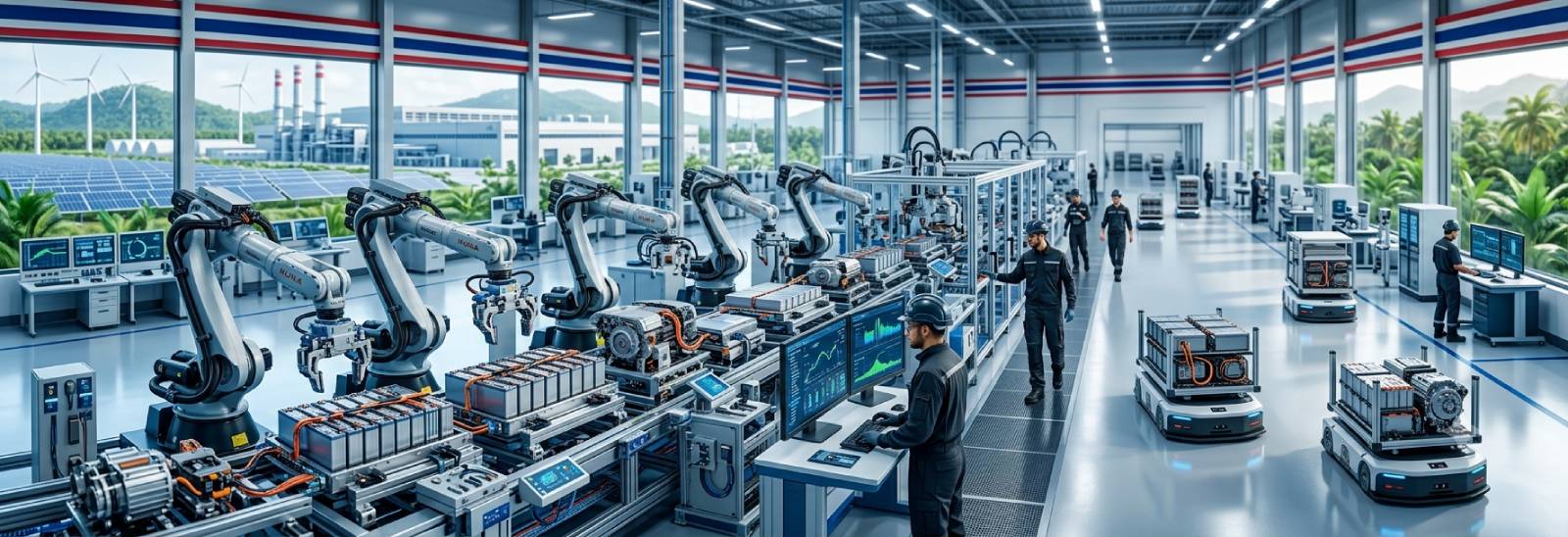
Thailand’s electric vehicle (EV) industry is entering a decisive new phase. After several years of aggressively attracting EV assemblers through tax incentives and production subsidies, the Thai government is now shifting its focus toward a far more strategic objective: upstream ecosystem localization.
In 2026, the Thailand Board of Investment (BOI) has substantially tightened its investment promotion priorities, reserving the most attractive privileges for manufacturers involved in high-value EV core components rather than final vehicle assembly alone. The policy direction is clear — Thailand no longer aims merely to become an EV assembly hub for Southeast Asia; it intends to build a vertically integrated EV industrial ecosystem capable of supporting long-term technological independence.
This transition marks one of the most important industrial policy shifts in Thailand’s automotive sector since the country established itself as the “Detroit of Asia.”
From Vehicle Assembly to Industrial Sovereignty
Thailand’s first-generation EV incentives successfully attracted global automakers and Chinese EV brands seeking regional manufacturing bases. However, policymakers increasingly recognized that final assembly operations alone generate limited technological spillover and leave the country heavily dependent on imported critical systems.
As a result, the BOI’s 2026 investment framework prioritizes upstream localization of strategic components such as battery cells, battery management systems (BMS), high-voltage wiring harnesses, drive motors, inverters, and thermal management technologies. These systems represent the technological core of modern EV architecture and account for a substantial portion of vehicle value creation.
The strategic rationale extends beyond industrial upgrading. Global EV supply chains remain highly concentrated in a limited number of countries, particularly in battery chemistry, semiconductor-controlled power electronics, and rare-earth motor technologies. Thailand’s localization push is therefore deeply connected to broader concerns surrounding supply chain resilience, geopolitical fragmentation, and long-term industrial security.
By incentivizing domestic production capabilities, Thailand seeks to reduce vulnerability to external supply disruptions while simultaneously increasing domestic value-added manufacturing.
Battery Localization and the Emerging ASEAN Energy Supply Chain
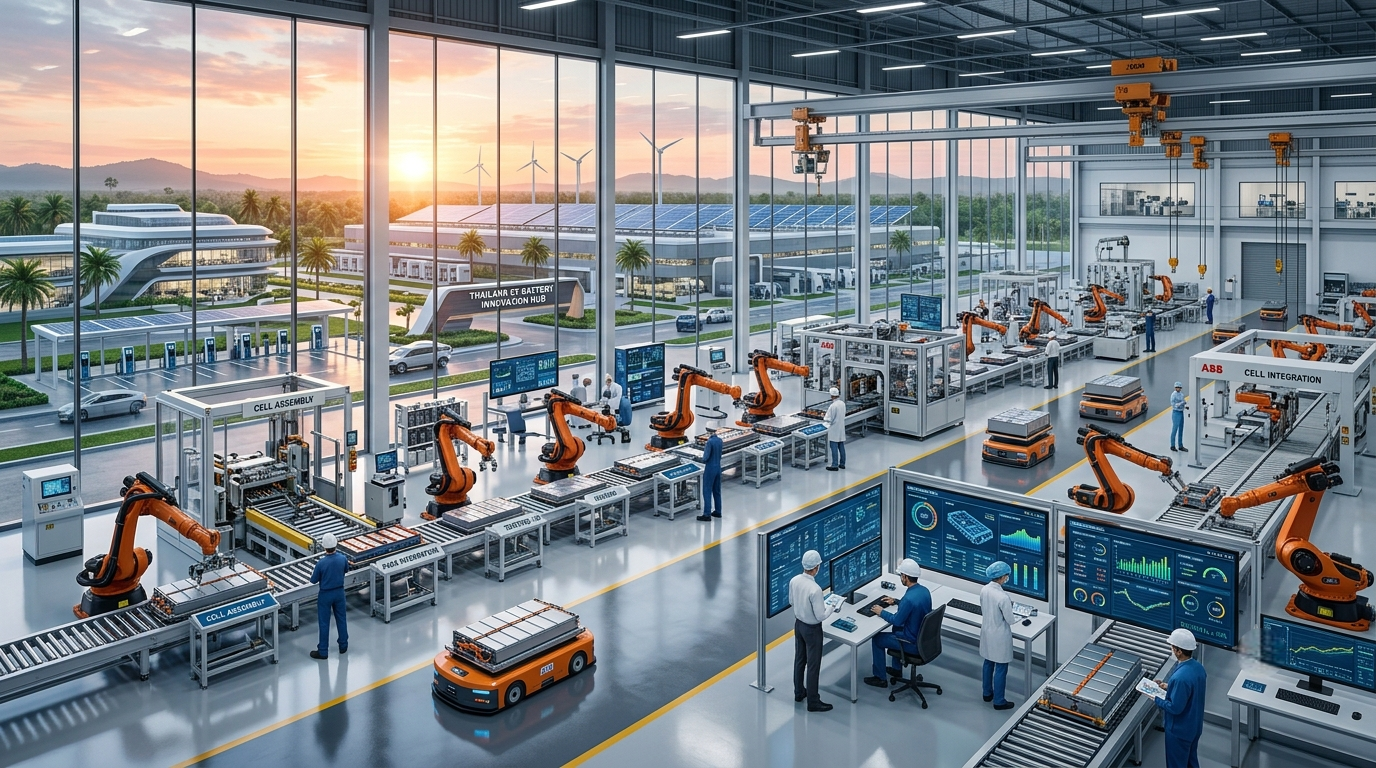
Among all targeted sectors, battery cell manufacturing remains the centerpiece of Thailand’s upstream EV ambitions. Lithium-ion battery systems represent both the most capital-intensive and technologically critical component within the EV value chain.
The Thai government is increasingly positioning battery localization not simply as an automotive initiative, but as part of a larger regional energy transition strategy. Policymakers understand that battery manufacturing creates cross-sector industrial linkages extending into renewable energy storage, smart grids, data centers, and future mobility technologies.
This explains why BOI incentives are now more aggressively directed toward projects involving advanced battery chemistry, cell manufacturing, recycling infrastructure, and energy storage system integration. Investors capable of introducing proprietary battery technologies or establishing regional R&D functions are expected to receive particularly favorable treatment.
Thailand also benefits from its geographic position within ASEAN’s evolving EV supply network. As neighboring countries expand nickel mining, precursor chemical processing, and renewable energy investments, Thailand is attempting to position itself as the region’s advanced manufacturing and final integration center for high-value battery technologies.
This regional integration model mirrors the supply chain structures previously seen in East Asia’s semiconductor and electronics industries.
Why Thermal Management and Power Electronics Have Become Strategic Priorities
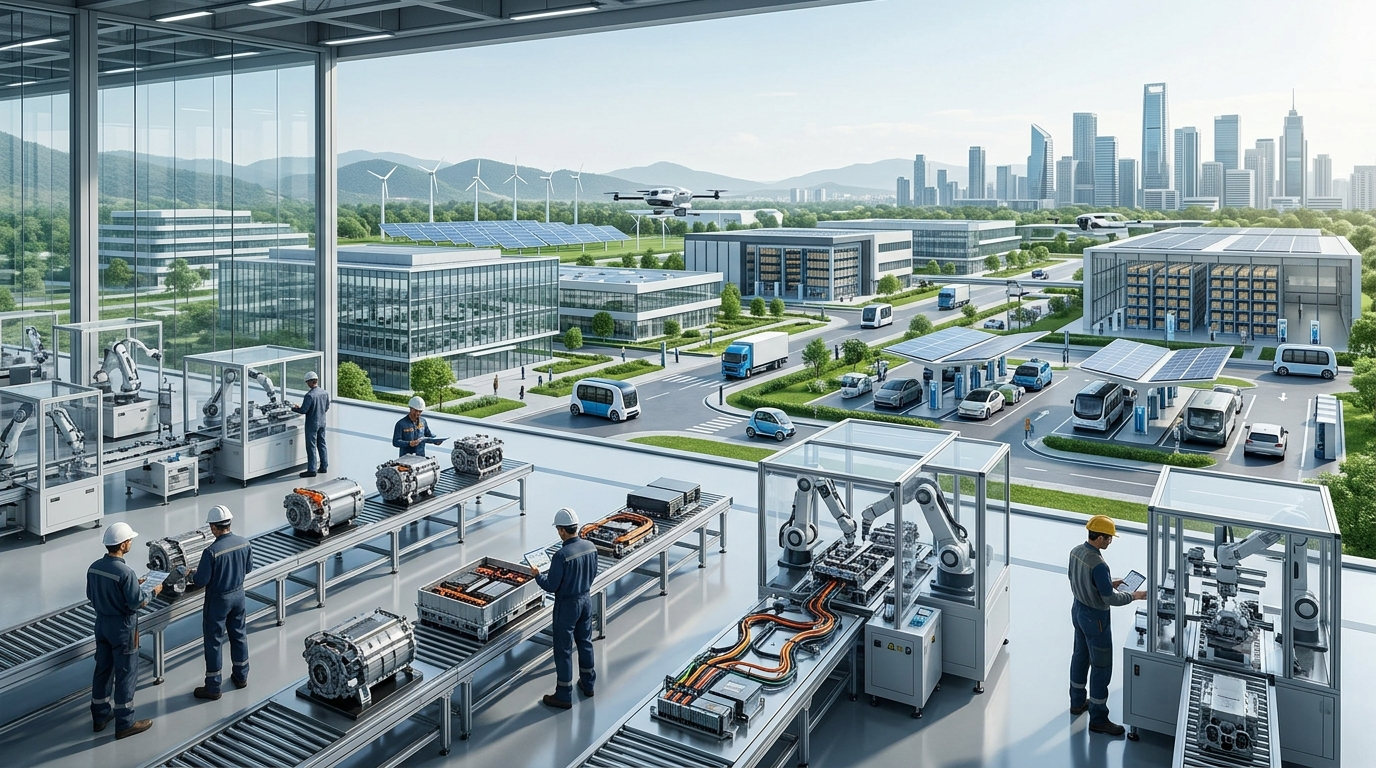
While battery production attracts the most attention, Thailand’s latest industrial strategy also places strong emphasis on often-overlooked technologies such as thermal management systems, power electronics, and high-voltage electrical architecture.
These components are becoming increasingly critical as EV manufacturers compete on charging speed, driving range, energy efficiency, and safety performance. Modern thermal management systems directly influence battery longevity and operational stability, particularly in tropical climates such as Southeast Asia.
Similarly, high-voltage wiring systems, inverters, and drive motors form the foundation of vehicle energy conversion and propulsion efficiency. These technologies require sophisticated engineering capability, advanced materials expertise, and high-precision manufacturing processes — all areas Thailand is now attempting to develop domestically.
The policy direction indicates that Thailand is no longer measuring industrial success purely through production volume. Instead, the government is prioritizing technological complexity, engineering intensity, and ecosystem depth as key indicators of competitiveness.
For multinational suppliers, this creates significant opportunities for localization partnerships, technology licensing arrangements, and regional manufacturing expansion.
Thailand’s Long-Term Position in the Global EV Realignment
Thailand’s upstream localization strategy arrives at a pivotal moment for the global automotive industry. Governments worldwide are increasingly linking EV incentives to domestic content requirements, technology transfer obligations, and supply chain resilience objectives.
This trend is reshaping investment flows across the automotive sector. Future winners are unlikely to be countries that simply offer low production costs; instead, they will be jurisdictions capable of supporting integrated industrial ecosystems with strong engineering talent, localized suppliers, and advanced manufacturing infrastructure.
Thailand’s 2026 policy framework suggests that the government fully recognizes this shift. The BOI’s increasingly selective incentive structure demonstrates a move away from broad-based promotion toward targeted strategic industrial development.
For investors, the implications are significant. Companies engaged in upstream EV technologies — particularly battery systems, intelligent power electronics, and advanced propulsion components — are likely to find Thailand increasingly attractive as a long-term regional base.
More importantly, Thailand’s policy evolution signals that the country is preparing not only for the EV transition itself, but for the next stage of industrial competition where control over technology ecosystems may become more valuable than assembly capacity alone.
