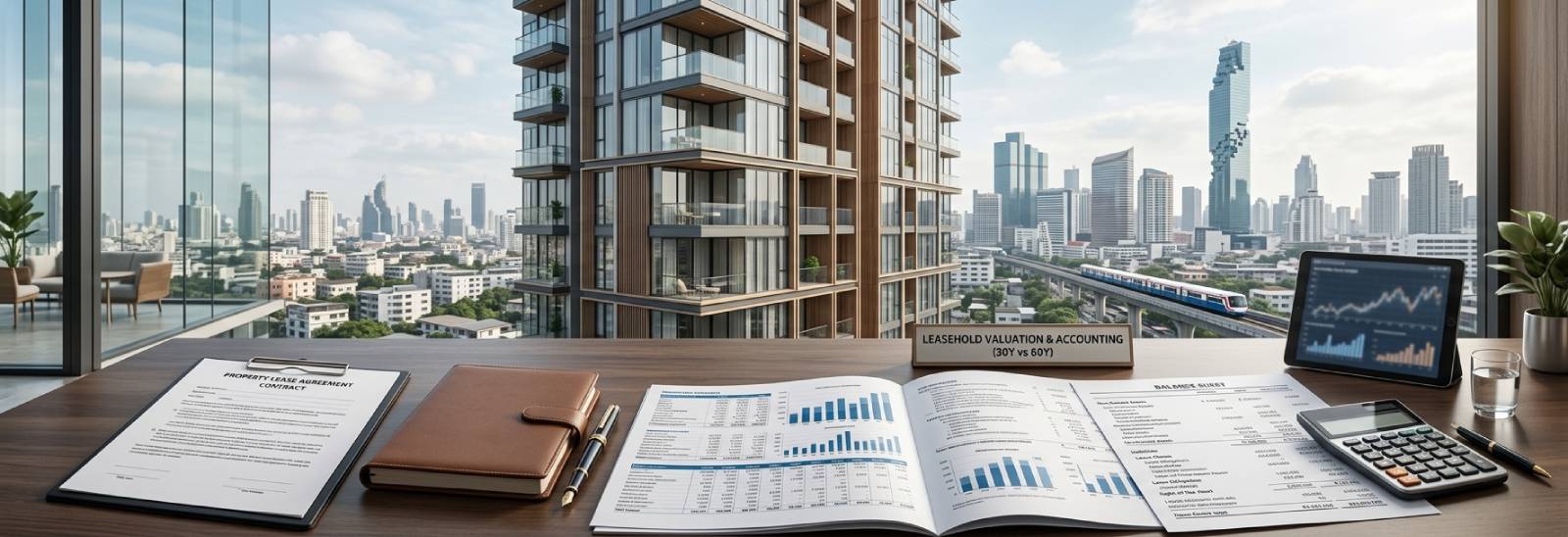
Thailand's restrictions on direct foreign ownership of land have long encouraged the development of sophisticated leasehold structures, particularly within Bangkok's luxury residential and mixed-use property sectors. A common arrangement involves a 30-year registered lease, often accompanied by a contractual commitment or renewal mechanism for an additional 30 years. For decades, many investors focused primarily on the legal and commercial aspects of these structures, while the accounting consequences remained relatively straightforward.


Accounting & Legal in Thailand
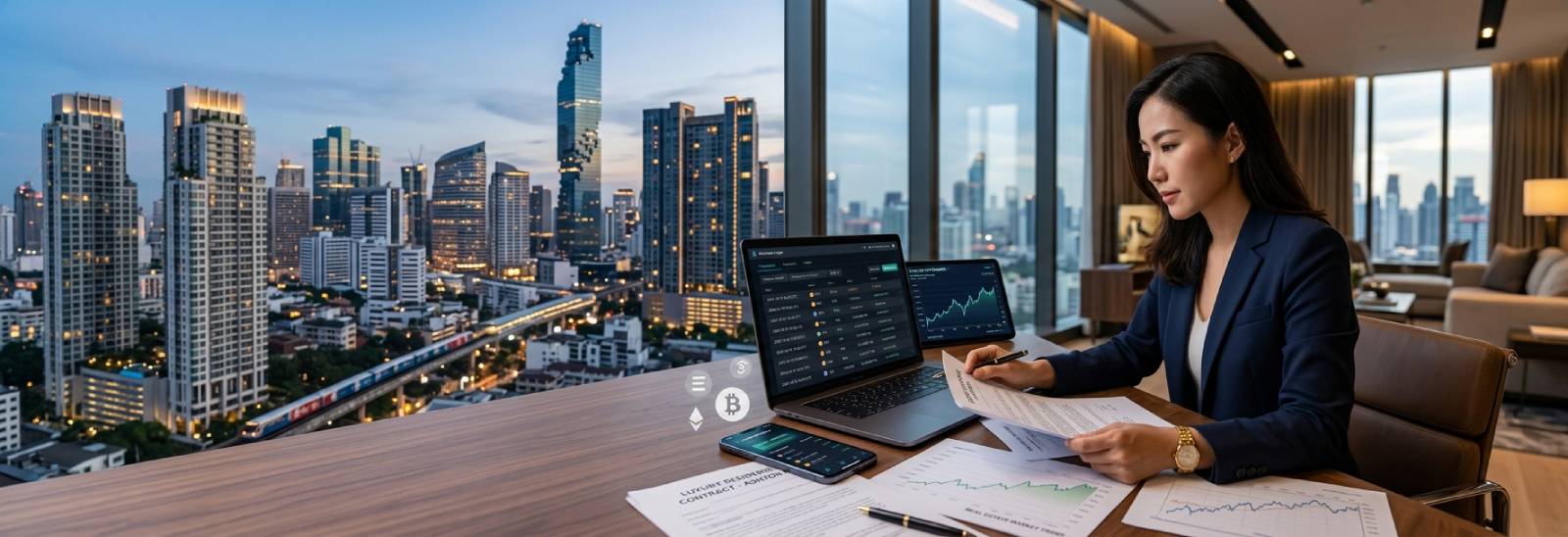
Thailand's digital asset landscape has entered a new phase of maturity. While the Bank of Thailand (BOT) and the Securities and Exchange Commission (SEC) continue to prohibit the use of cryptocurrencies as a general medium of payment for goods and services, digital assets remain legally tradable investment assets when transacted through licensed digital asset operators. As a result, a growing number of foreign investors are utilizing cryptocurrency holdings as a source of funds for acquiring high-value Bangkok real estate, particularly luxury condominiums and investment-grade properties.
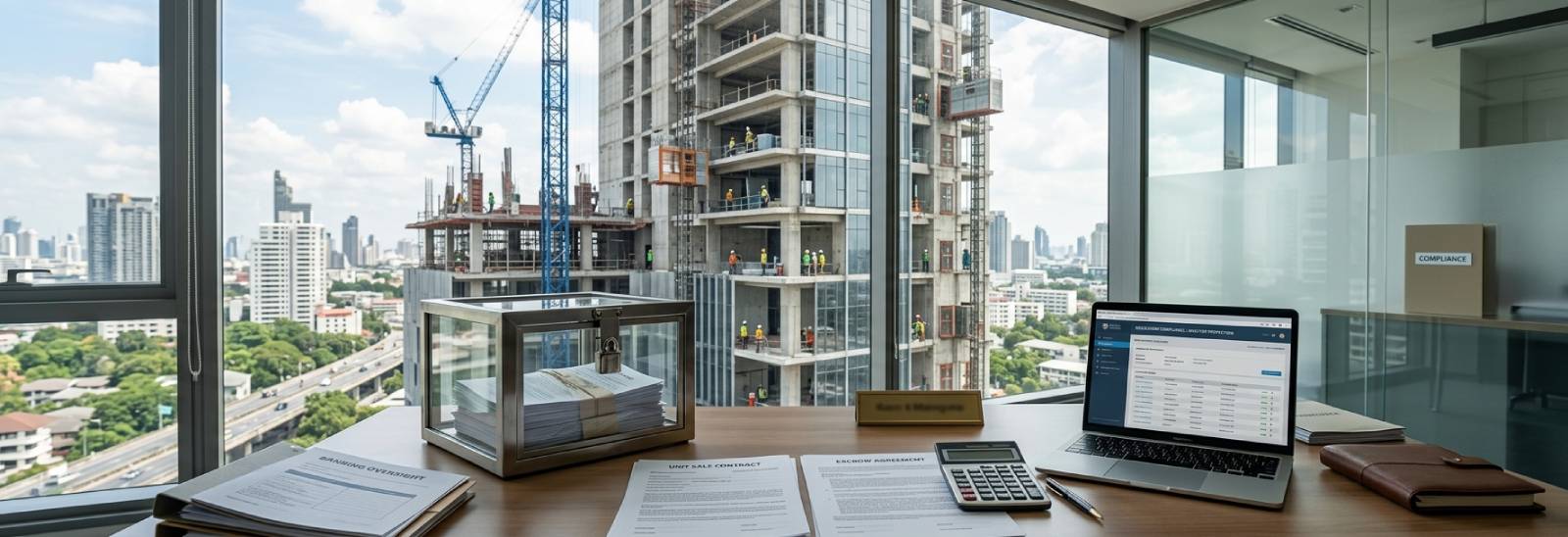
Thailand’s condominium sector is entering a new phase of financial regulation. Following several years of heightened concerns surrounding project delays, developer liquidity pressures, and investor protection, regulators have intensified their focus on the handling of purchaser funds in off-plan developments.
